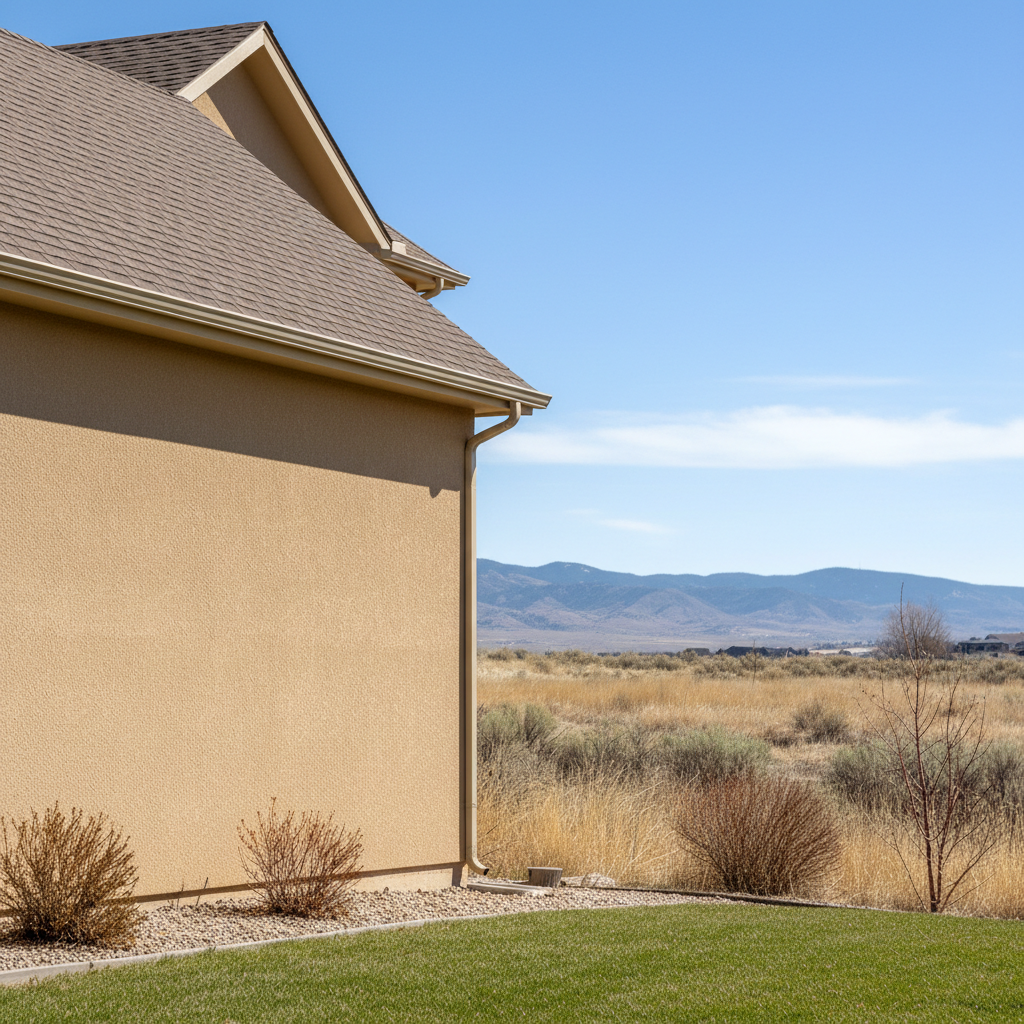
Stucco's a great choice for homes here in Saratoga Springs, and for good reason. It's tough, looks good, and honestly, it can really stand up to our crazy weather – from those scorching summer days to the freezing, snowy winters. But just like anything else on your house, it's not a "set it and forget it" kind of deal. A little bit of smart maintenance goes a long way in making sure your stucco lasts for decades and keeps protecting your home.
Extend Your Stucco's Lifespan: It's Easier Than You Think
You invested in stucco for a reason, right? To get the most out of that investment, you've got to think about protecting it. The biggest enemy of stucco, especially here in Utah, is water. Not just rain, mind you, but water that sits, seeps, or freezes. Proper drainage is huge. Make sure your gutters are clean and working right, directing water away from your foundation. If water's constantly dripping or splashing onto a stucco wall, you're practically asking for trouble. Think about your landscaping too – don't let sprinklers hit the stucco directly, and keep bushes and trees trimmed back so they're not trapping moisture against the wall or scraping it.
Another thing that really helps is a good paint job. A quality elastomeric paint can add an extra layer of protection against moisture and UV rays. It's not just about looks; it's about sealing tiny hairline cracks and keeping the elements out. We've seen plenty of homes, especially those older ones down by the lake, where a fresh coat of paint made a huge difference in the stucco's longevity. Who knew paint could be so powerful?
Your Regular Maintenance Checklist
Okay, so what does 'regular maintenance' actually look like? It's not rocket science, I promise.
- Clean it regularly: Dust, dirt, pollen, and even mold can build up. A gentle wash with a garden hose and a soft brush, maybe some mild detergent, is usually all you need. Don't go crazy with a high-pressure washer; you can damage the stucco or force water into places it shouldn't be. Just a light rinse once or twice a year will keep it looking fresh and help you spot any issues.
- Inspect for cracks: Walk around your house every spring and fall. Take a close look at the stucco. Are there any new cracks? Most stucco will get tiny hairline cracks over time, and those aren't usually a big deal. But if you see cracks that are wider than a credit card, or if they're running in a spiderweb pattern, or if you can see the lath behind them, that's a red flag.
- Check around openings: Pay extra attention to areas around windows, doors, and where different materials meet (like stucco meeting brick, or the foundation). These are common spots for water intrusion. Make sure the caulking is intact and not cracked or pulling away.
- Keep an eye on roof and gutters: Like I said, water's the enemy. Make sure your roof isn't leaking onto your stucco and that your gutters are clear and diverting water properly.
Warning Signs You Can't Ignore
Beyond those regular checks, there are some definite warning signs that tell you something's not right and you probably need to call in a pro like us at Summit Stucco Co. Don't put these off, because small problems become big, expensive ones fast.
- Stains: Dark streaks, especially under windows or near the roofline, often mean water is getting in. Green or black stains could be mold or mildew, indicating persistent moisture.
- Bulging or soft spots: If you press on the stucco and it feels soft, spongy, or you see it bulging outwards, that's a serious sign of water damage and likely rotting sheathing underneath.
- Cracks that are growing or wide: Again, those bigger cracks are a problem. If they're getting longer, wider, or you see chunks of stucco falling off, you've got a structural issue or significant water damage.
- Efflorescence: This is that white, powdery substance you sometimes see on masonry. It's mineral salts left behind when water evaporates from within the stucco. It means water is getting into the wall system.
- Pest infestations: If you're seeing ants, termites, or other pests getting into your walls through the stucco, it might mean there are gaps or damage that's letting them in.
When to Call a Professional
Look, I'm all for homeowners doing what they can. But there are times when you just need to bring in someone who knows stucco inside and out. If you see any of those serious warning signs I just mentioned – bulging, wide cracks, persistent staining, or soft spots – don't try to patch it yourself. You might just be covering up a much bigger problem. We've got the tools and the experience to properly diagnose the issue, find the source of the water intrusion, and fix it right, whether it's a simple repair or a more extensive re-stucco job.
Ignoring these issues won't make them go away; it'll just make them more expensive. A professional stucco contractor can assess the damage, explain what's going on, and give you solid options for repair. Getting ahead of these problems is how you protect your home and keep that stucco looking great for years to come.