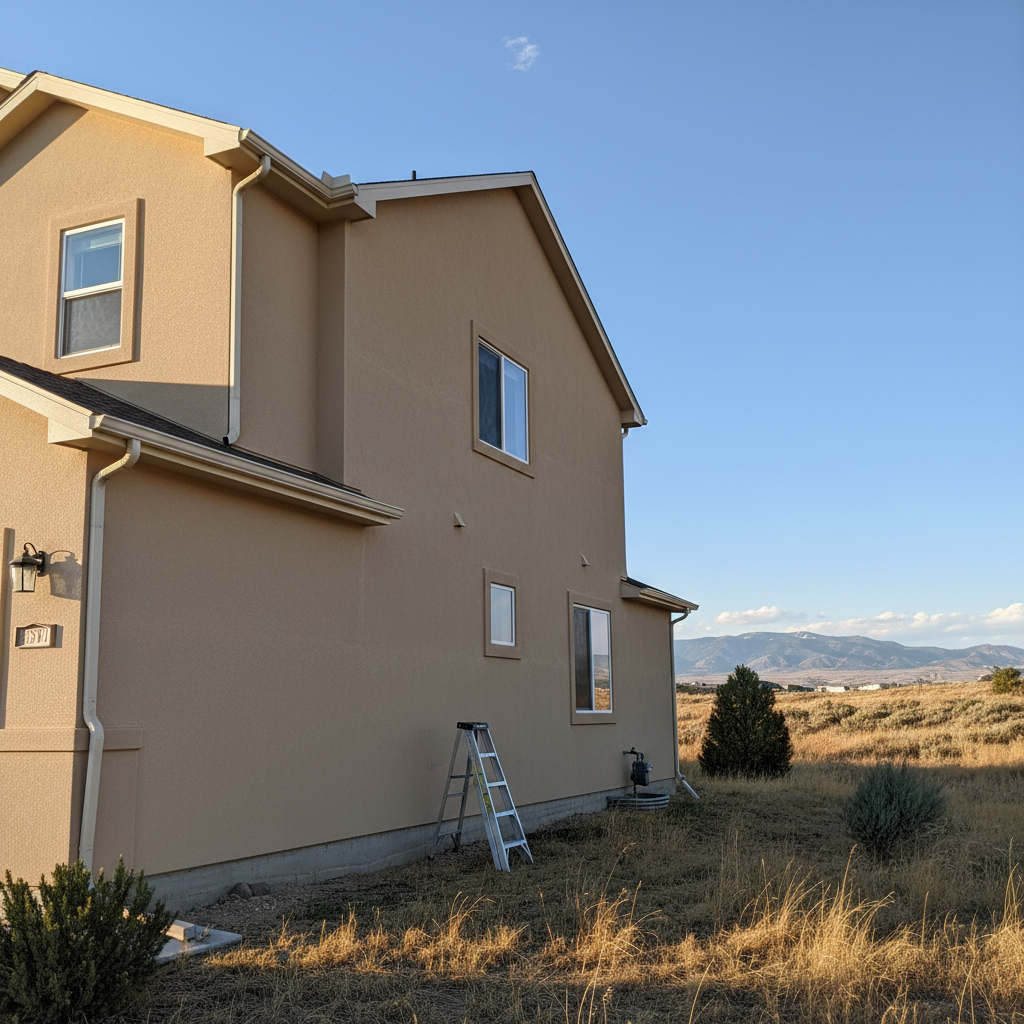
You've got a stucco home here in Saratoga Springs, and maybe you're thinking about selling it. Or perhaps you've just noticed some weird staining. Maybe it's just been a while since anyone looked at it closely. So, you decide it's time for a stucco inspection. Good call, really. But here's where I often see people stumble, and it's usually because they don't know what they don't know, if you catch my drift.
Thinking All Inspectors Are Created Equal
This is probably the biggest mistake folks make. Just because someone labels themselves an 'inspector' doesn't automatically mean they know a thing about stucco. You wouldn't hire a general practitioner to perform brain surgery, would you? It's the same principle here. Stucco, especially EIFS (Exterior Insulation and Finish Systems)—which we see a lot of in newer developments around Harvest Hills—is a specialized system. It simply demands a specialized eye.
A general home inspector might just do a visual walk-around, maybe poke a few spots. That's not really an inspection; that's more of a quick glance. What you actually need is someone who truly understands moisture intrusion points, proper flashing details, drainage planes, and how different stucco systems are put together. They should be using moisture meters, not just relying on their eyes. They should be looking closely at window and door perimeters, roof-to-wall intersections, deck attachments – all those spots where water just loves to sneak in.
Ignoring the 'Why' Behind the Inspection
Are you getting an inspection because you're buying or selling a home? Or is it because you suspect there's already a problem? The reason really matters because it completely changes what the inspector should focus on. If you're buying, you'll want a comprehensive, top-to-bottom assessment to uncover any hidden issues before you close the deal. If you're selling, a proactive inspection might be smart; you can address minor issues and get ahead of any buyer concerns. And if you suspect a problem, well, you need a targeted, investigative inspection that might even involve some invasive testing.
Don't just tell the inspector,