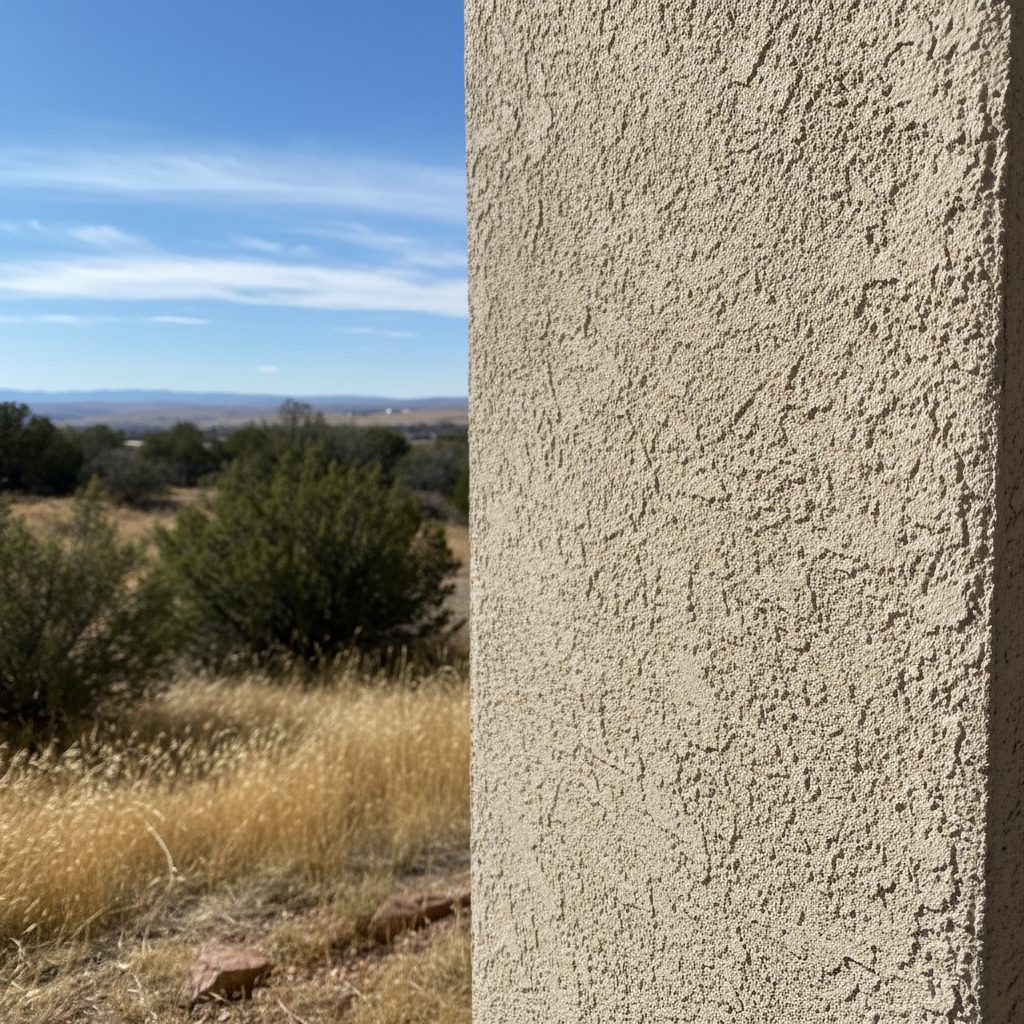
Stucco is tough stuff, no doubt, but it's not totally indestructible. As a homeowner here in Saratoga Springs, you've got plenty on your plate, and honestly, your home's exterior probably isn't top of mind until something looks a bit off. But here's the thing: catching stucco problems early can save you a huge headache and a lot of money later on. You might think only the pros can inspect it, yet there's actually a ton you can check yourself. Let's dig into what you should know.
Before You Even Think About a Project
Before you hire anyone for a repair or a new stucco job, or even if you're just doing your regular home maintenance, give your stucco a good, hard look. Basically, you're hunting for anything that seems out of place. Walk all the way around your house, really scrutinizing the walls. Get up close. So, what exactly are you looking for?
- Cracks: Not every crack is a disaster, but you need to tell the difference. Hairline cracks, especially around windows or doors, are often just cosmetic. But if you spot cracks wider than a credit card, or if they run horizontally or in a stair-step pattern, that's a big red flag. Those could point to structural movement or water getting in.
- Stains: Dark streaks, particularly under windows, near the roofline, or around spigots, almost always mean water stains. Water behind your stucco? That's the enemy. It can cause rot, mold, and much bigger structural issues. Don't ignore them, seriously.
- Bulges or Soft Spots: Press gently on the stucco. Does it feel soft or spongy? Do you see any areas that look like they're bulging out? That's a strong sign of water damage underneath, possibly rotting the sheathing or even the framing.
- Missing or Damaged Flashing: Flashing is that metal or plastic stuff designed to direct water away from vulnerable spots – like around windows, doors, and where the stucco meets the roof. If it's bent, gone, or put in wrong, water will definitely find its way inside.
- Drainage Issues: Check the ground around your foundation. Is it sloped away from the house? Are your gutters clean and sending water far away? If water is pooling against your foundation, that's just asking for trouble, and that moisture can creep right up into your stucco. Here in Saratoga, with our clay soils, good drainage is even more important because that soil really holds onto water, keeping your foundation damp longer.
If you see any of these bigger issues, that's your signal to call a professional. Don't try to patch a major crack or stain yourself without figuring out what caused it. You'd just be slapping a band-aid on something that needs surgery.
During the Project: Your Eyes and Ears on Site
Okay, so you've hired a pro – maybe even Summit Stucco Co. – for a repair or a new installation. You're not expected to be a stucco expert, but you can still be a pretty effective inspector while the work is happening. This isn't about micromanaging; it's about staying informed and making sure things get done right.
- Ask Questions: Don't be shy. If you see something you don't understand, ask the crew. Why are they doing it that way? What's that material for? A good contractor will be happy to explain.
- Check for Cleanliness: A professional crew keeps a tidy worksite. This isn't just about appearances; it shows they pay attention to detail. Too much debris, tools left everywhere, or materials not stored properly can suggest a lack of organization that might spill over into the actual work.
- Watch the Layers: If it's a new installation or a big repair, you'll see different layers go on. There's usually a weather-resistive barrier (like building paper), then lath (the metal mesh), then the scratch coat, brown coat, and finally the finish coat. You don't need to know the exact thickness, but seeing these steps happen in the right order is key. If they're skipping steps or rushing, that's a concern.
- Look at the Details: Pay attention to how they handle penetrations – things like windows, doors, pipes, and electrical boxes. Are they properly flashed and sealed? This is where water often sneaks in, so these areas need extra care.
If something looks genuinely wrong or you have a serious concern, bring it up to the project manager or the lead on site right away. It's much easier to fix something during construction than after it's all dried and done, wouldn't you agree?
After the Dust Settles: Your Ongoing Check-Up
The project's finished, and your house looks fantastic. But your inspection duties aren't quite over. Think of it like changing the oil in your car – regular check-ups keep things running smoothly.
- Seasonal Walk-Arounds: Make it a habit to walk around your house at least twice a year – maybe in spring after the snow melts and again in the fall before winter really sets in. Look for those same issues we talked about earlier: new cracks, stains, or anything that just doesn't look right.
- Monitor Drainage: After a rainstorm, go outside and see where the water is actually going. Is it still flowing away from your foundation? Are your downspouts doing their job?
- Keep it Clean: Gently wash your stucco now and then to remove dirt and mildew. This isn't just for curb appeal; it helps you spot issues that might be hiding under grime.
- Don't Let Plants Overgrow: Keep bushes, trees, and vines trimmed away from your stucco. They can trap moisture against the wall, cause physical damage, and hide problems.
If you do spot something new or concerning after a project, especially within the warranty period, contact your contractor right away. They should come out and assess it. For persistent or complex issues, or if you're ever unsure, don't hesitate to get a professional stucco inspection. It's a small investment that can protect your home's biggest asset.
Taking an active role in inspecting your stucco, both before a project and as part of your regular home maintenance, really empowers you to protect your investment. You don't need to be an expert, just observant and willing to ask for help when you need it. That's how we keep our Saratoga Springs homes solid and looking good for years to come.